
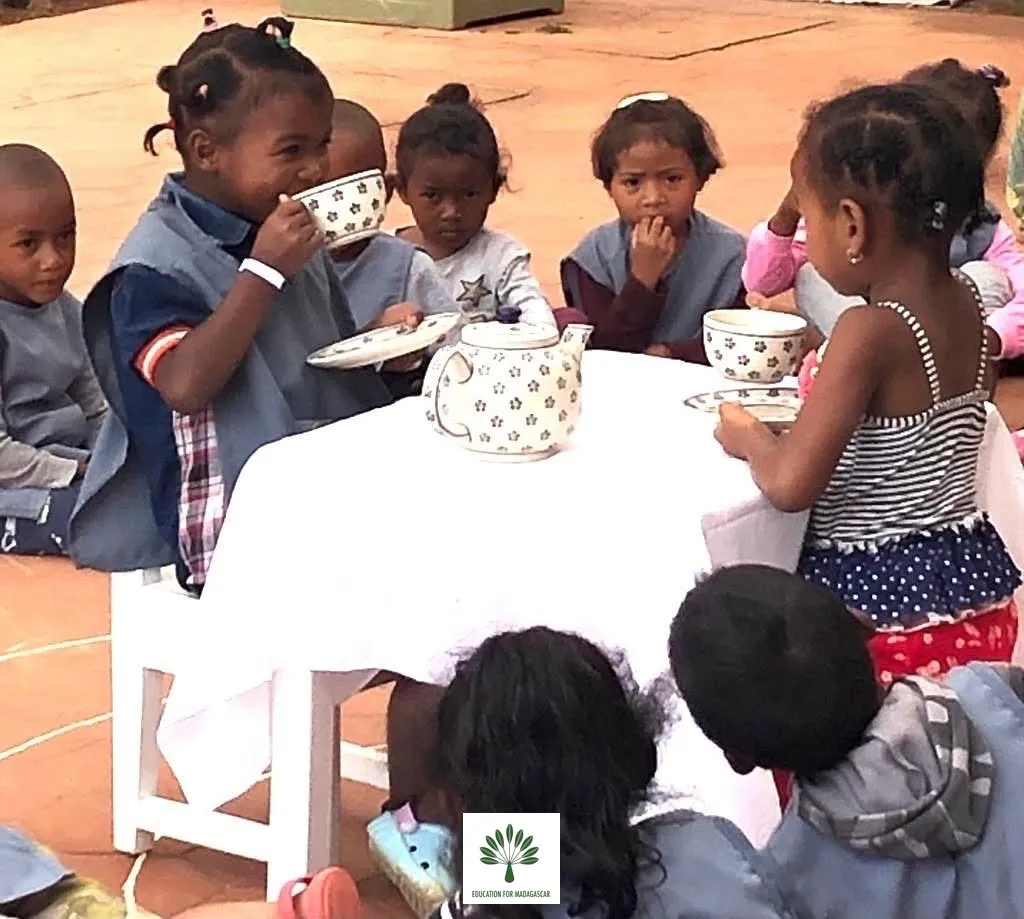
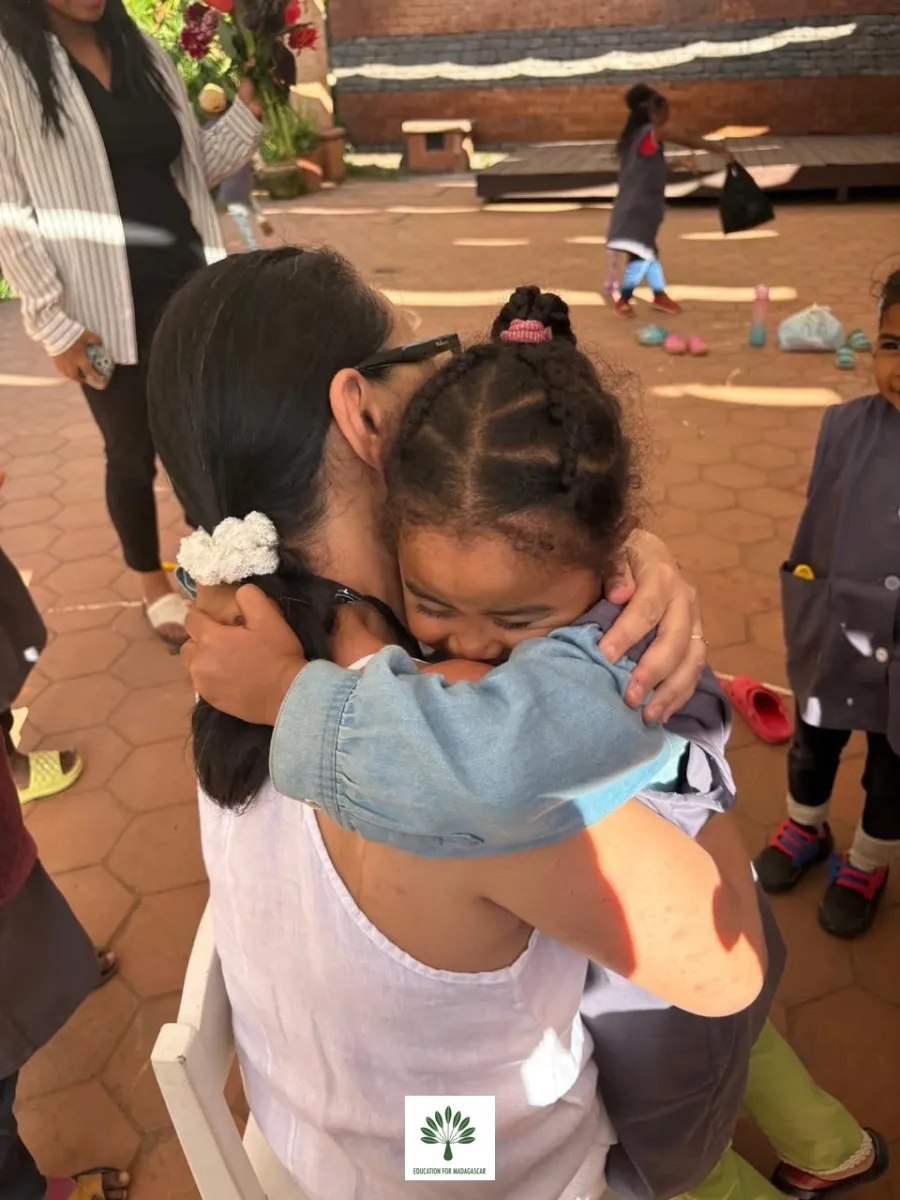
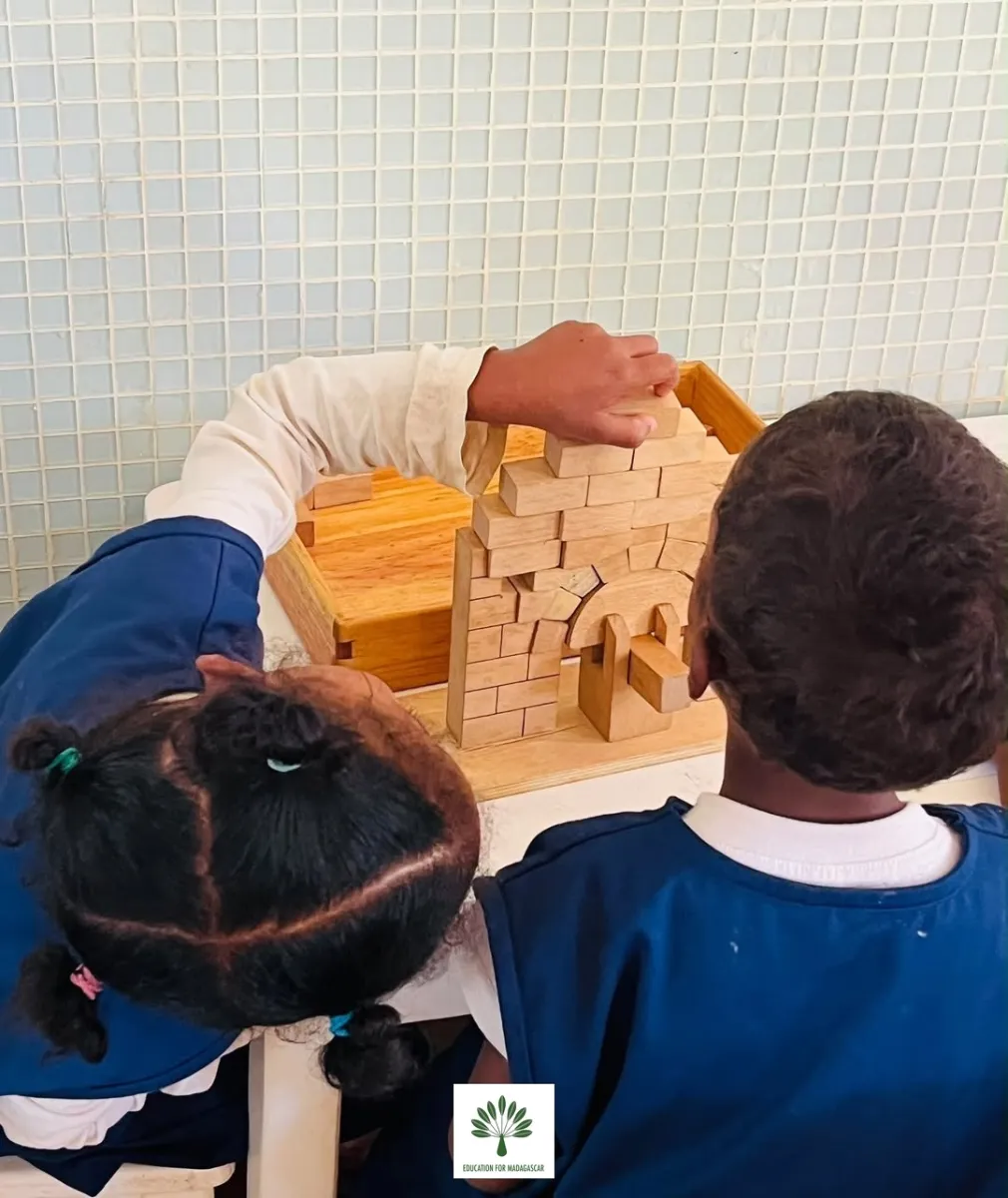
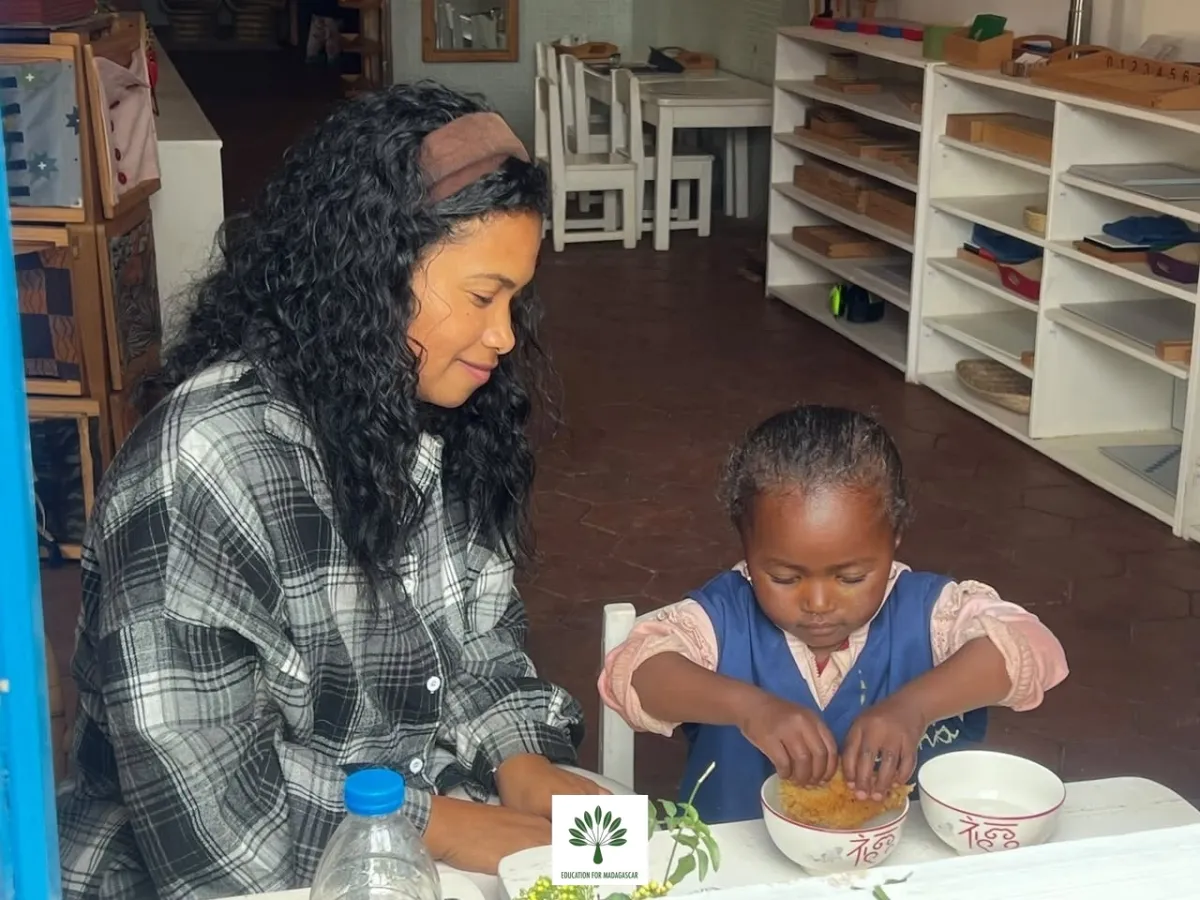
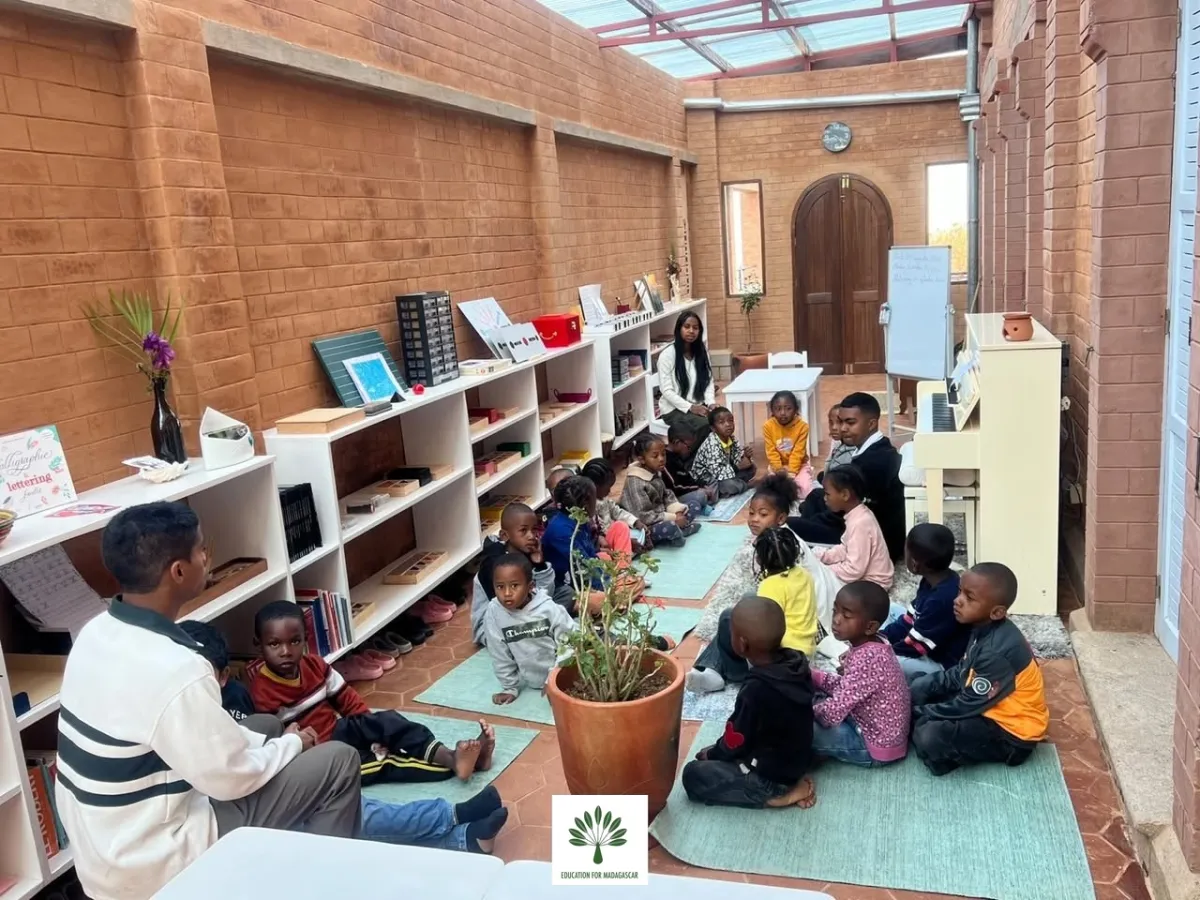
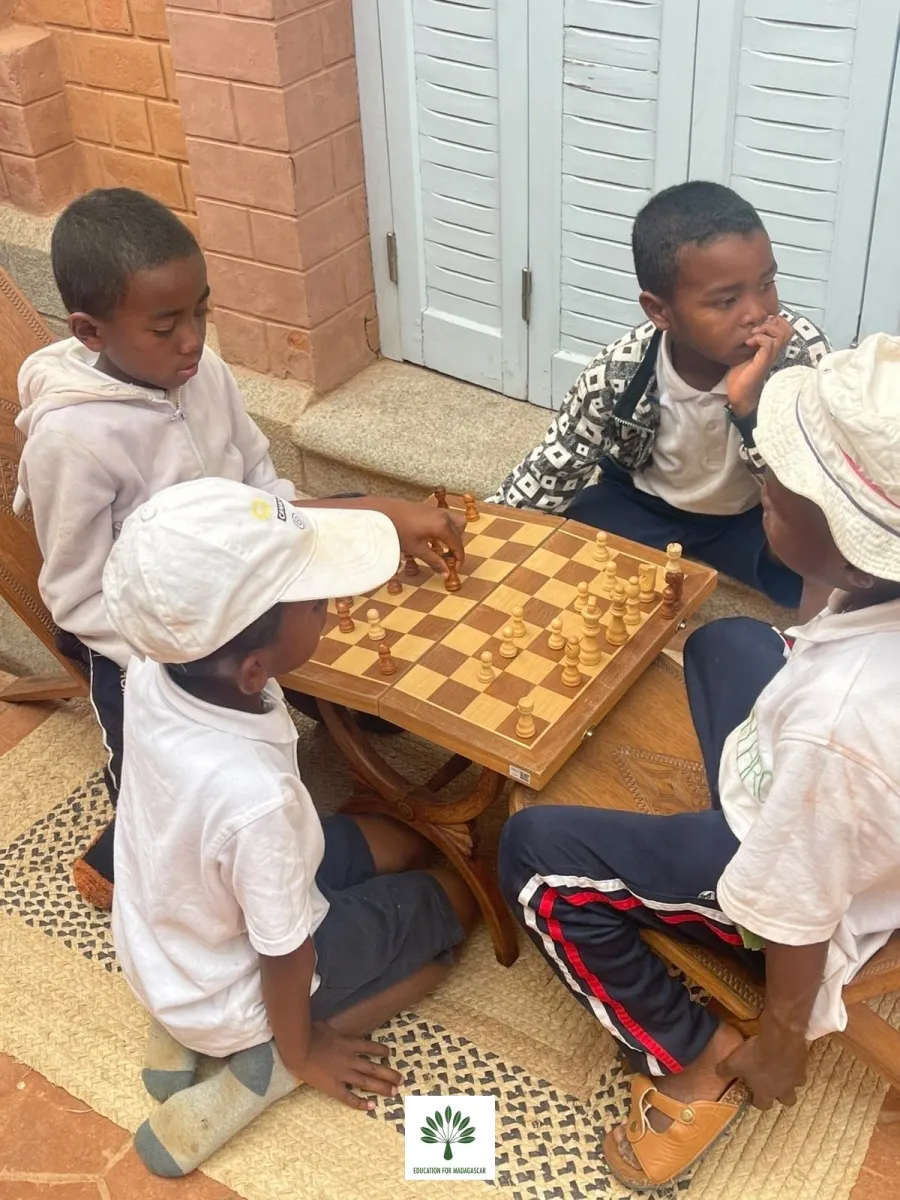
💥 What if supporting children's mental health began not with a lesson, but with the way we prepare our classrooms, listen to children, and help them feel that they belong ? 🇲🇬 teny malagasy : commentaire voalohany 🌿On World Mental Health Day, this question feels more important than ever. Children do not learn independently of how they feel. When they feel anxious, excluded, or unsafe, learning becomes more difficult. When they feel respected, supported, and connected, they have greater opportunities to develop confidence, concentration, and a sense of belonging. As a Montessori educator, I believe that children's well-being begins with the everyday experiences we create in our classrooms. 🌱 The prepared environment: Creating security A carefully prepared Montessori environment offers accessible materials, clear expectations, freedom of choice, and opportunities for independence. Children develop confidence when they can explore, make decisions, and experience their own capabilities. 🤝 The mixed-age classroom: Learning to belong In mixed-age communities, children learn from and support one another. Younger children discover new possibilities, while older children develop empathy, patience, and responsibility. They learn that everyone has something to contribute, despite their differences. 💛 Observation: Understanding the child Montessori education encourages us to observe before judging. What appears to be a lack of motivation may reflect frustration, uncertainty, or a need for connection. By listening carefully, we can better understand each child and respond with empathy. 🌻 Independence and trust: Building confidence When children are trusted to try, make mistakes, persevere, and take responsibility, they develop autonomy and self-confidence. Our role is to provide appropriate guidance while allowing them to discover what they can do for themselves. 🕊️ Education for Peace: Making well-being part of everyday life Peace begins with everyday actions: listening, expressing feelings, resolving disagreements respectfully, and caring for our shared environment. In our classroom, we begin the morning in a circle. Children may share how they feel while others listen. Not every child needs to speak; sometimes, simply being present and feeling part of the community is meaningful in itself. Of course, Montessori education does not replace professional mental health support when needed. Educators must also recognize signs of distress and seek appropriate help. On this World Mental Health Day, let us ask ourselves: Does our classroom help every child feel safe enough to explore, respected enough to be themselves, and connected enough to know that they belong? Education is not only about what children learn. It is also about how they experience themselves, others, and the world while they learn. 💚 Happy World Mental Health Day! Tsiory Rakotoarijaona Montessori Guide 6-12