
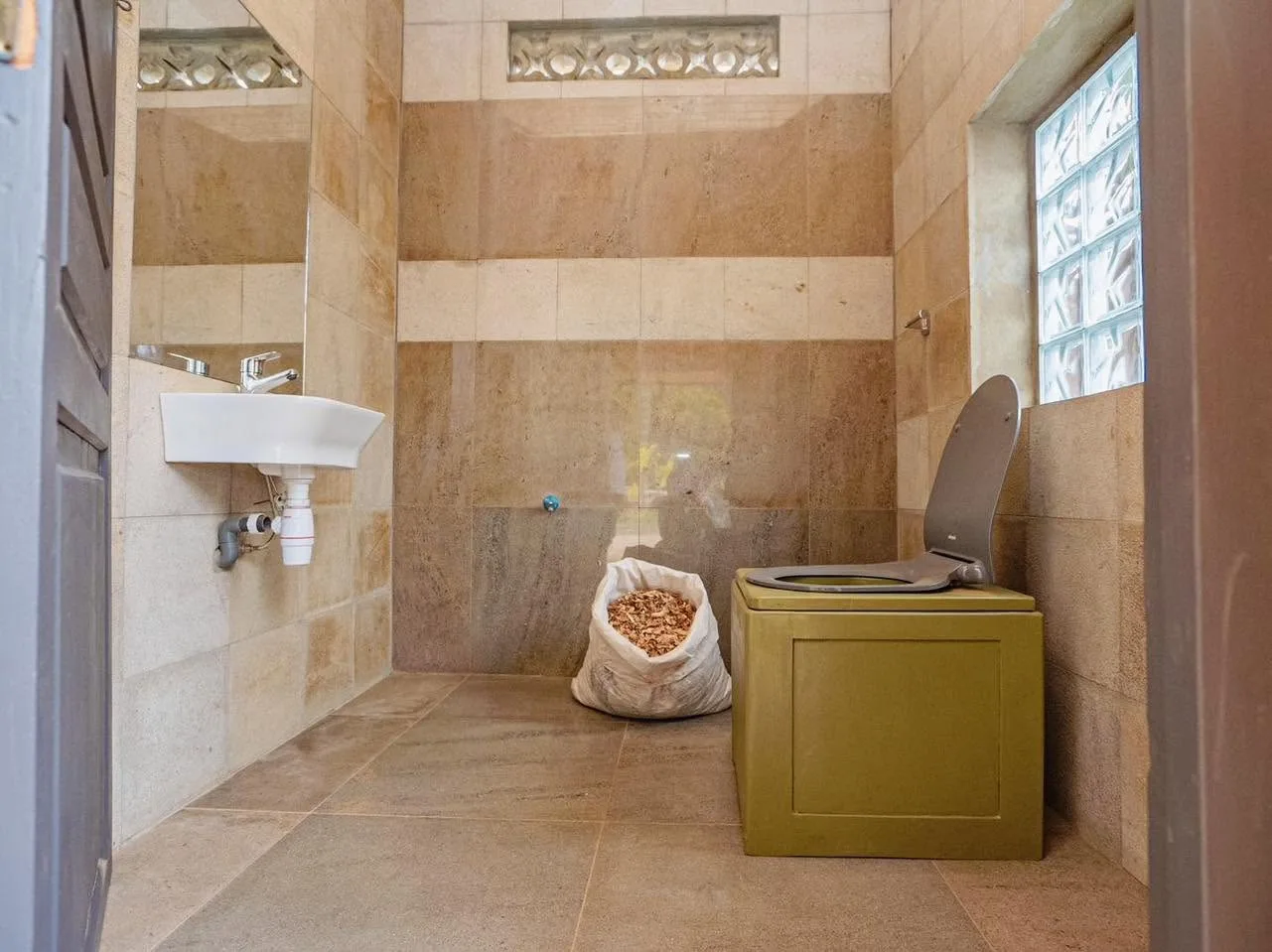
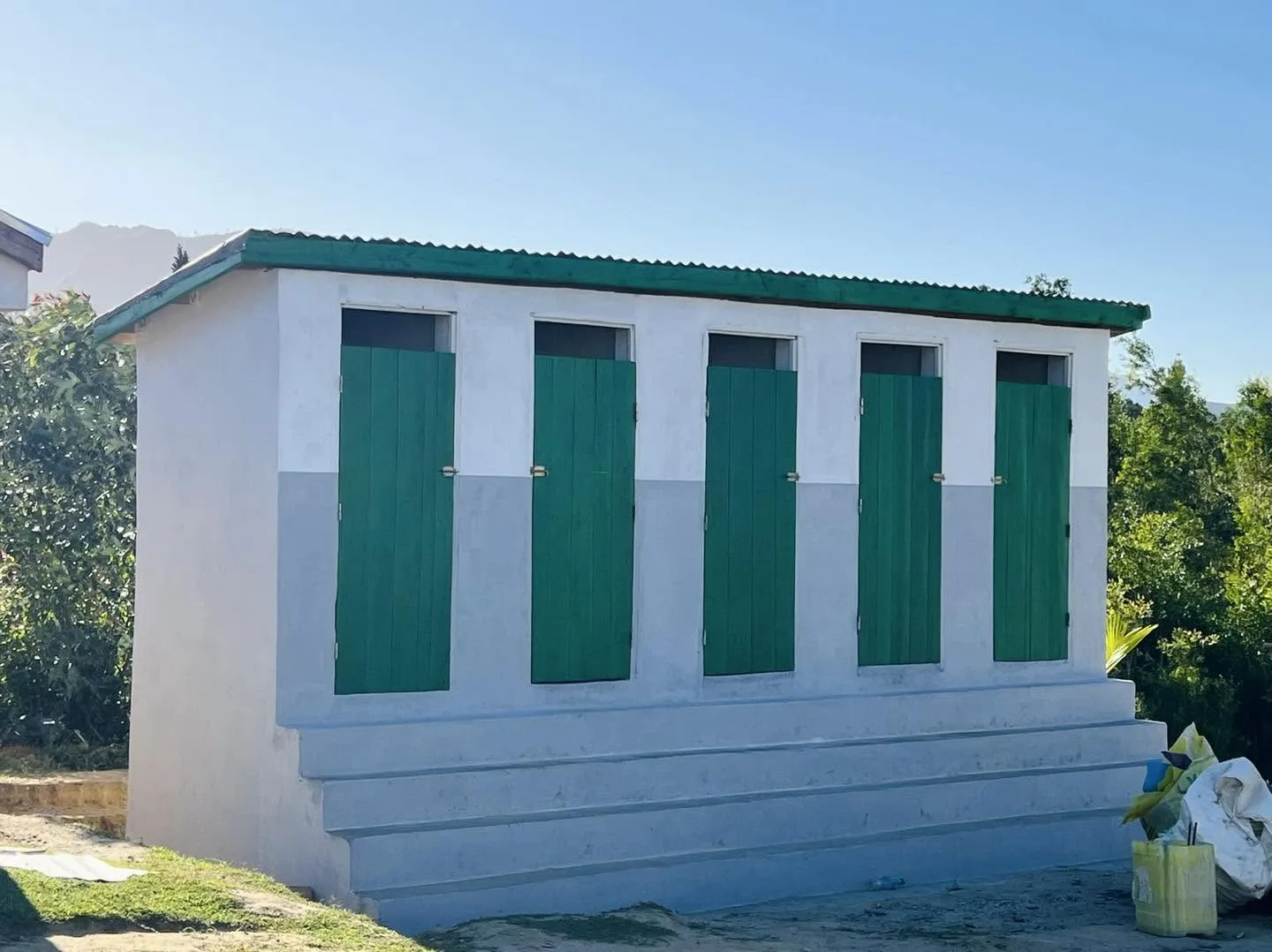
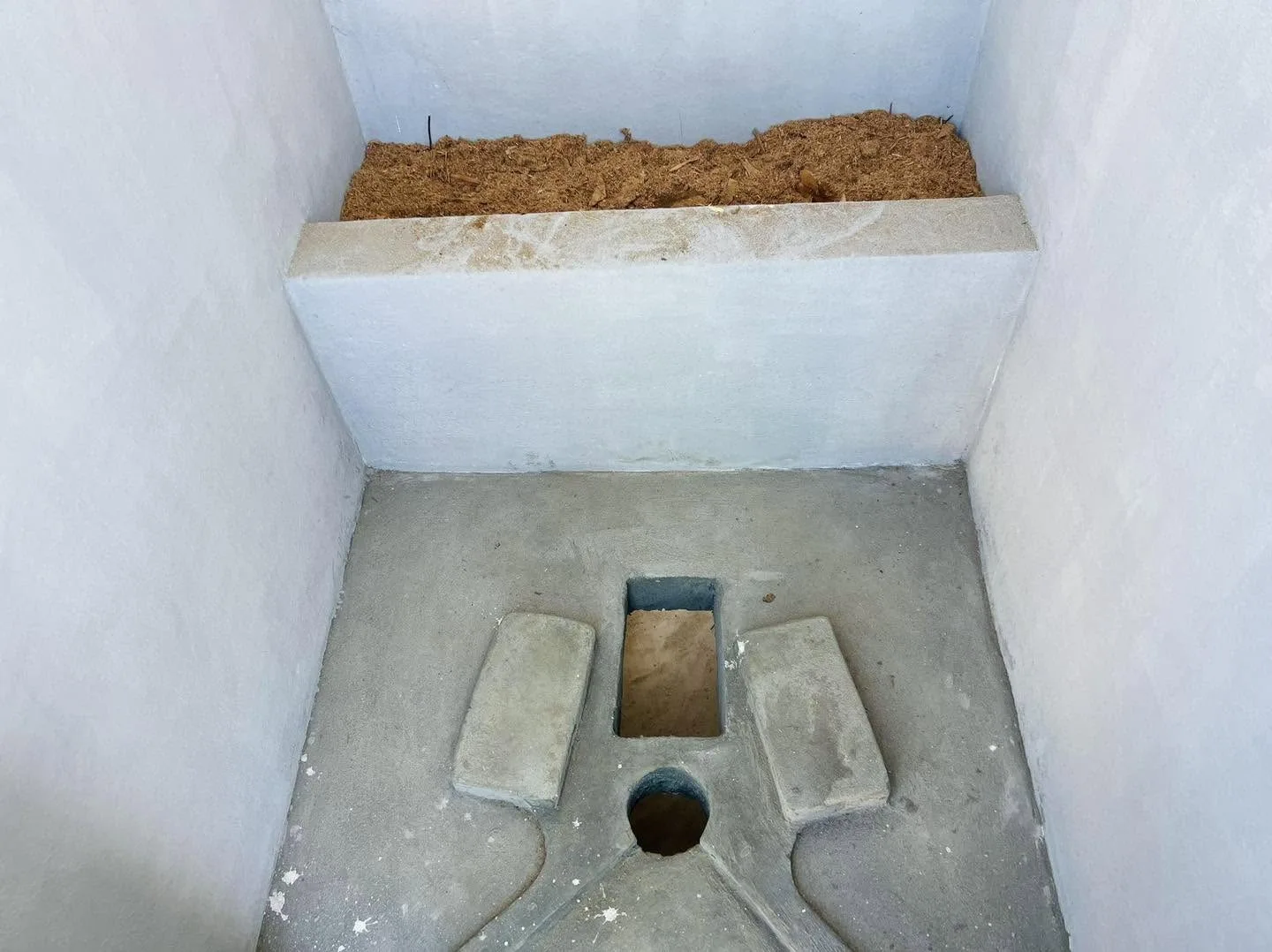
Today, on World Toilet Day, we would like to introduce you to an alternative to traditional toilets: dry toilets (composting toilets).
Why can traditional pit latrines (Gabone lavaka) be harmful to our health and the environment?
When human waste is buried 3 metres underground, unpleasant smells can come back to the surface. Flies are also attracted to these latrines and can spread germs into our surroundings. This creates hygiene risks, especially when food is sold in open markets.
There is also a risk of the latrine pits collapsing, especially with increasingly frequent floods. As the population grows, more and more waste is buried underground. During floods, this waste can flow into rivers and contaminate groundwater.
Improving sanitation is therefore essential to prevent cholera and other diseases linked to poor hygiene and environmental conditions.
But what exactly are dry toilets?
Dry toilets are a scientifically proven sanitation system. They were invented by a British man, Henry Moule (1801–1880), and later made popular by an American author, Joseph Jenkins, through his book The Humanure Handbook (1995).
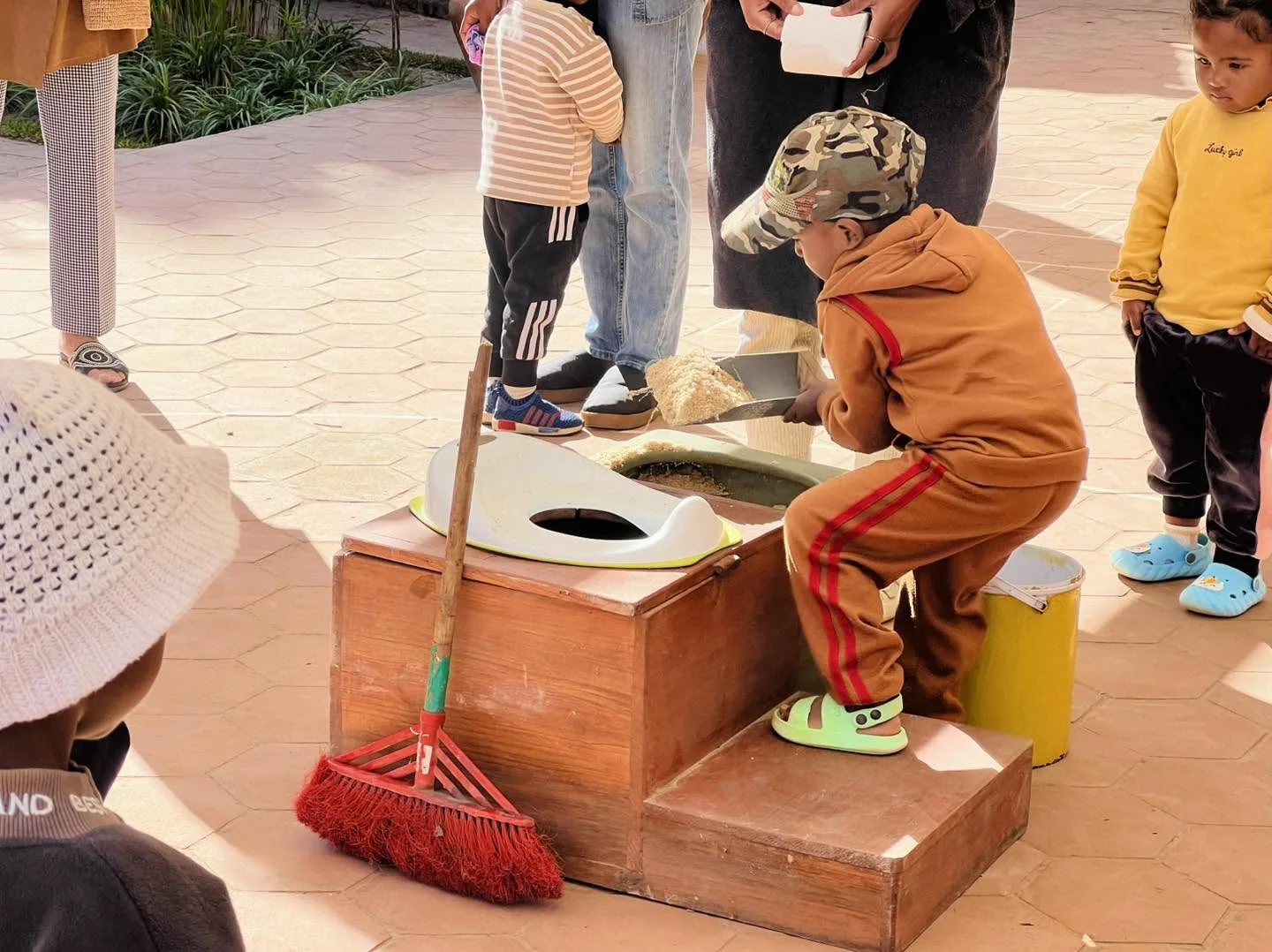
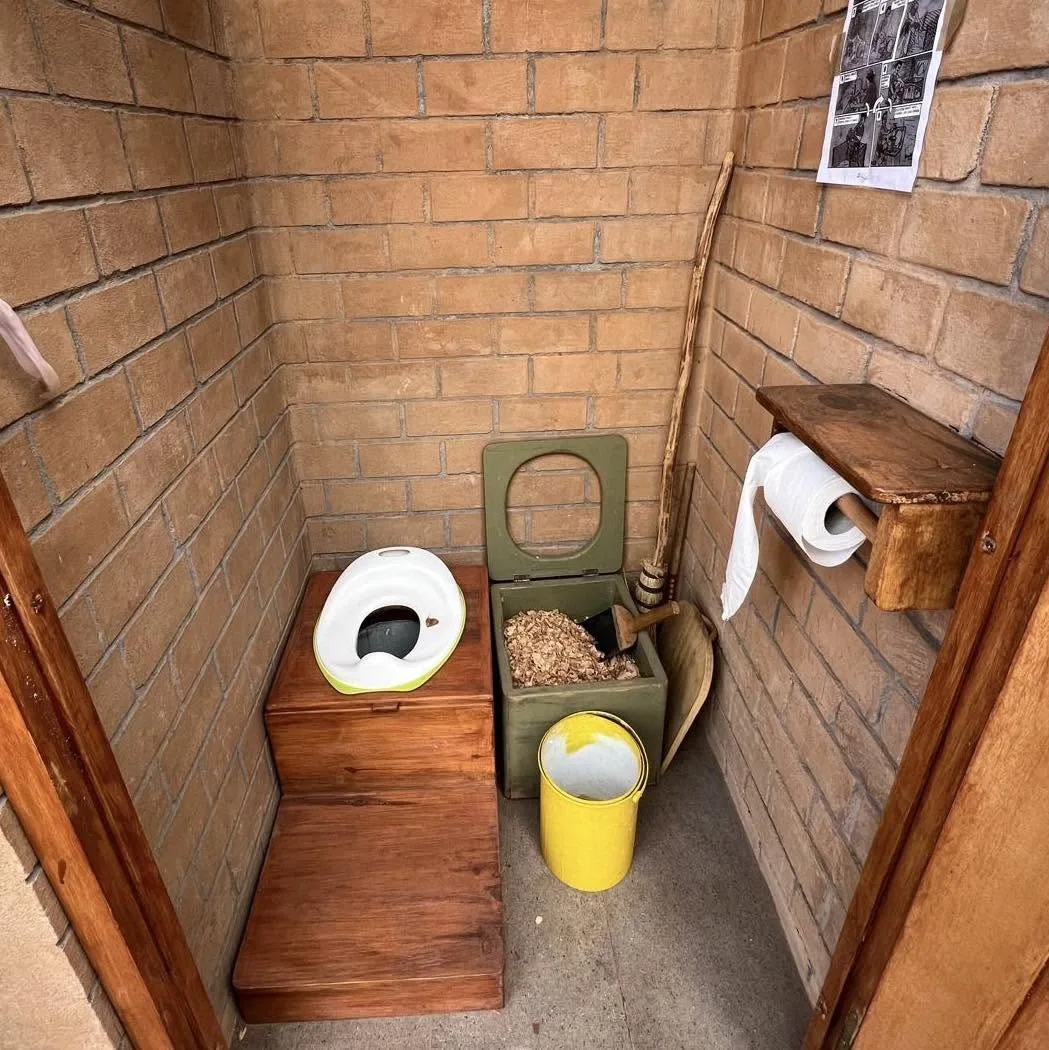
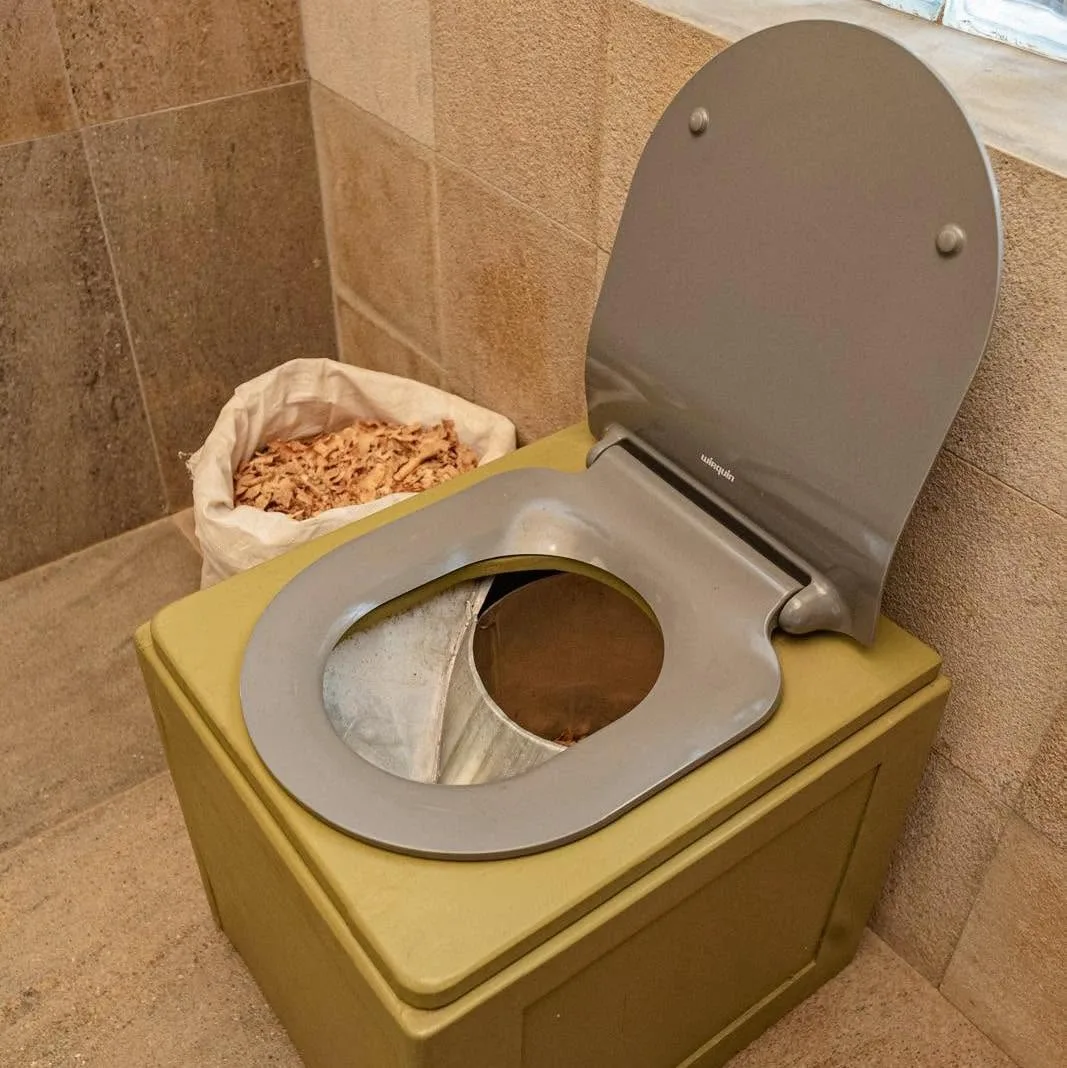
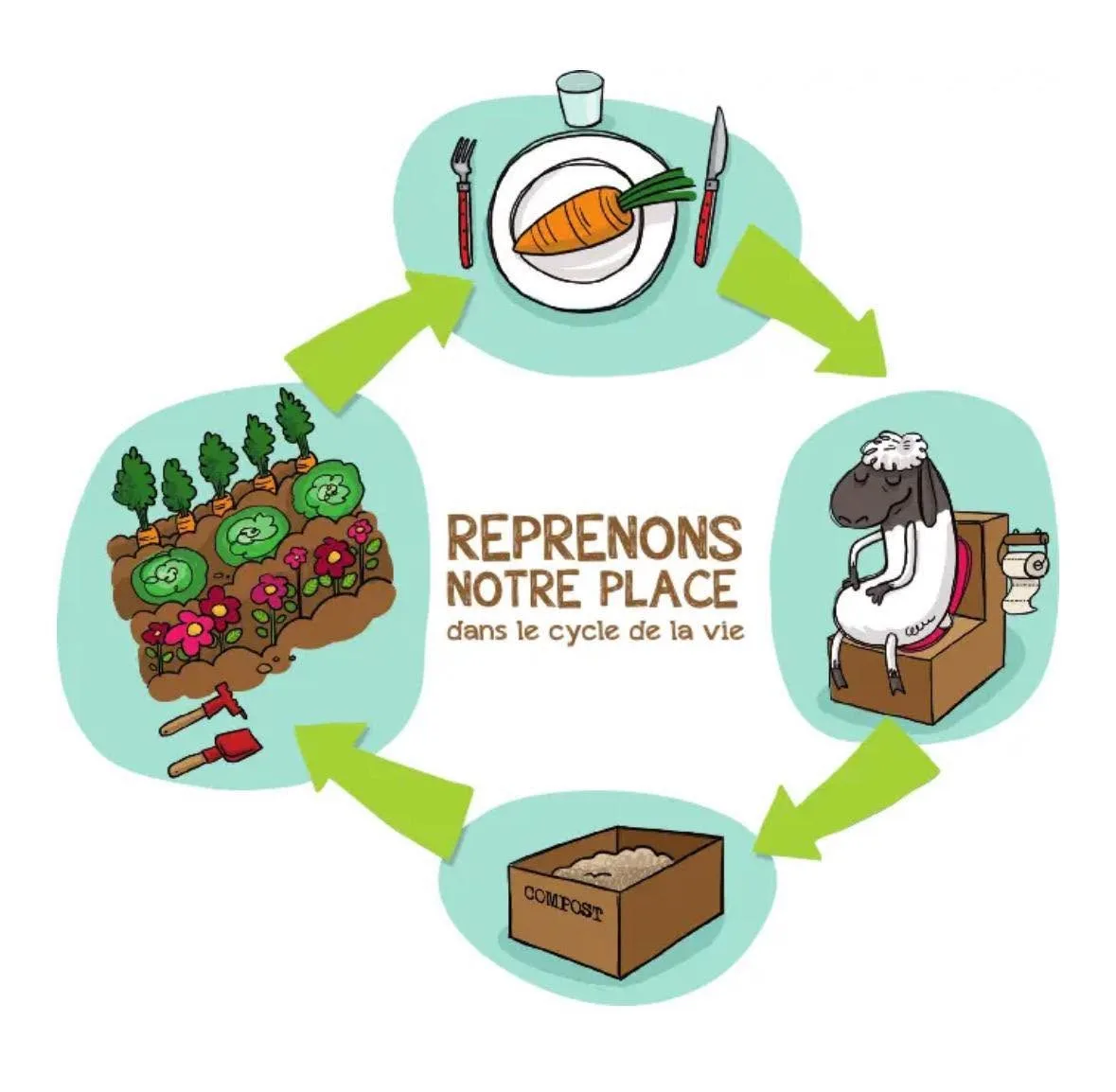
Unlike traditional toilets, dry toilets do not use water to flush away human waste. Instead, dry materials such as sawdust, leaves or wood chips are added after each use to cover the waste.
Human waste (rich in nitrogen) combined with dry materials (rich in carbon) creates a natural process that helps prevent bad smells. This is why well-maintained dry toilets, like the ones in our schools, do not produce unpleasant odours.
Why did we choose dry toilets at Education For Madagascar?
For the past seven years, we have been using and testing dry toilets, starting on our campus in Antananarivo. Today, we help schools and communities adopt this practice through training adapted to their needs.
Why this choice? Because access to water remains difficult in many parts of Madagascar. Reducing the use of drinking water for toilets is therefore very important.
Dry toilets offer several benefits:
Save water: They work without flushing and help reduce water consumption.
Reduce pollution: They avoid producing wastewater from toilet flushing.
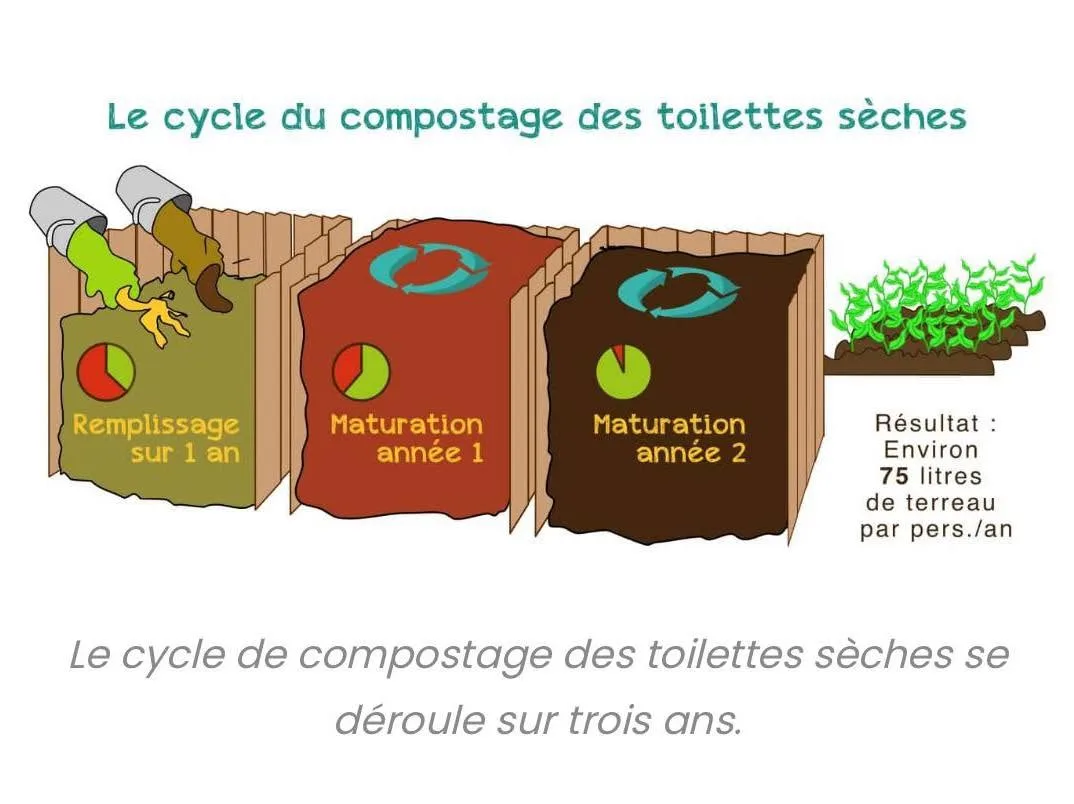
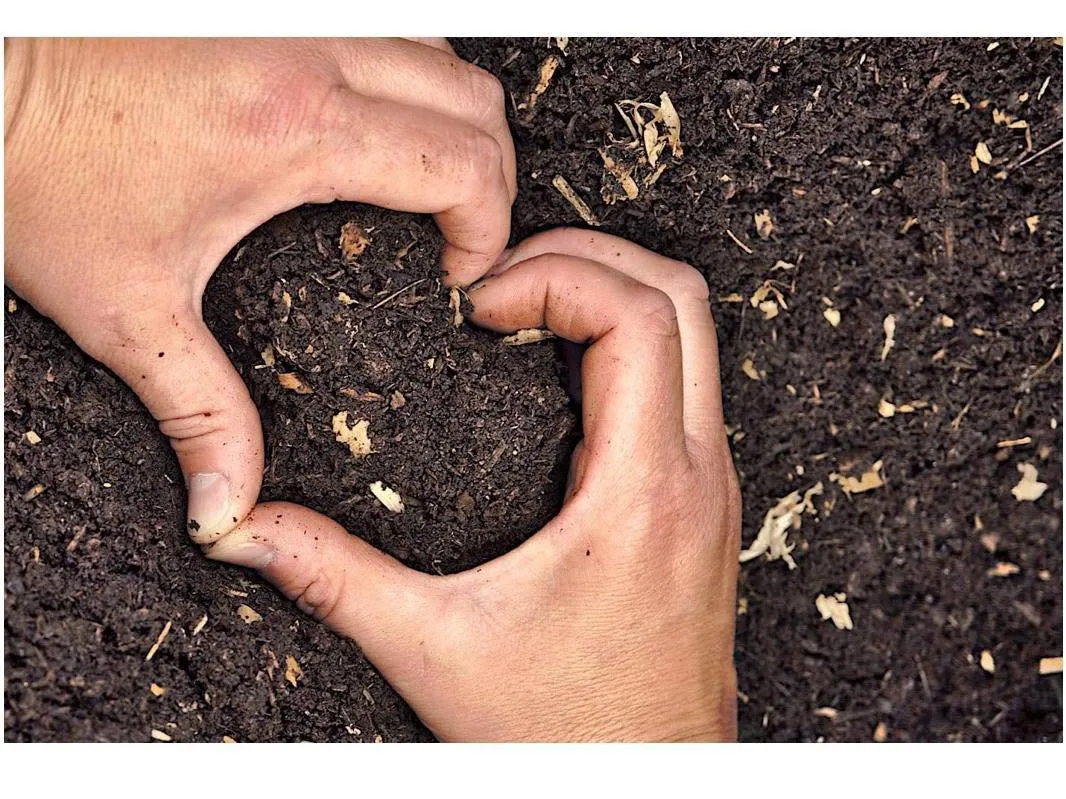
Reuse waste: After proper treatment, human waste can be turned into safe, reusable compost.
Educate children: They help children learn to save water, protect the environment and develop good hygiene habits.
And what have we achieved so far?
Education For Madagascar has already installed dry toilets in several schools, from Ambohibe to Ambalavao and all the way to Anosy Taolagnaro!
Through these installations, we aim to provide a sanitation solution adapted to schools and teach children how to use dry toilets properly.
Would you like to learn more about dry toilets or install them at home or in your school?
Get in touch with us!