
💪🏾 MALAGASY SUPERWOMEN : BEHIND THE SCENES - Key facts and challenges 🔥
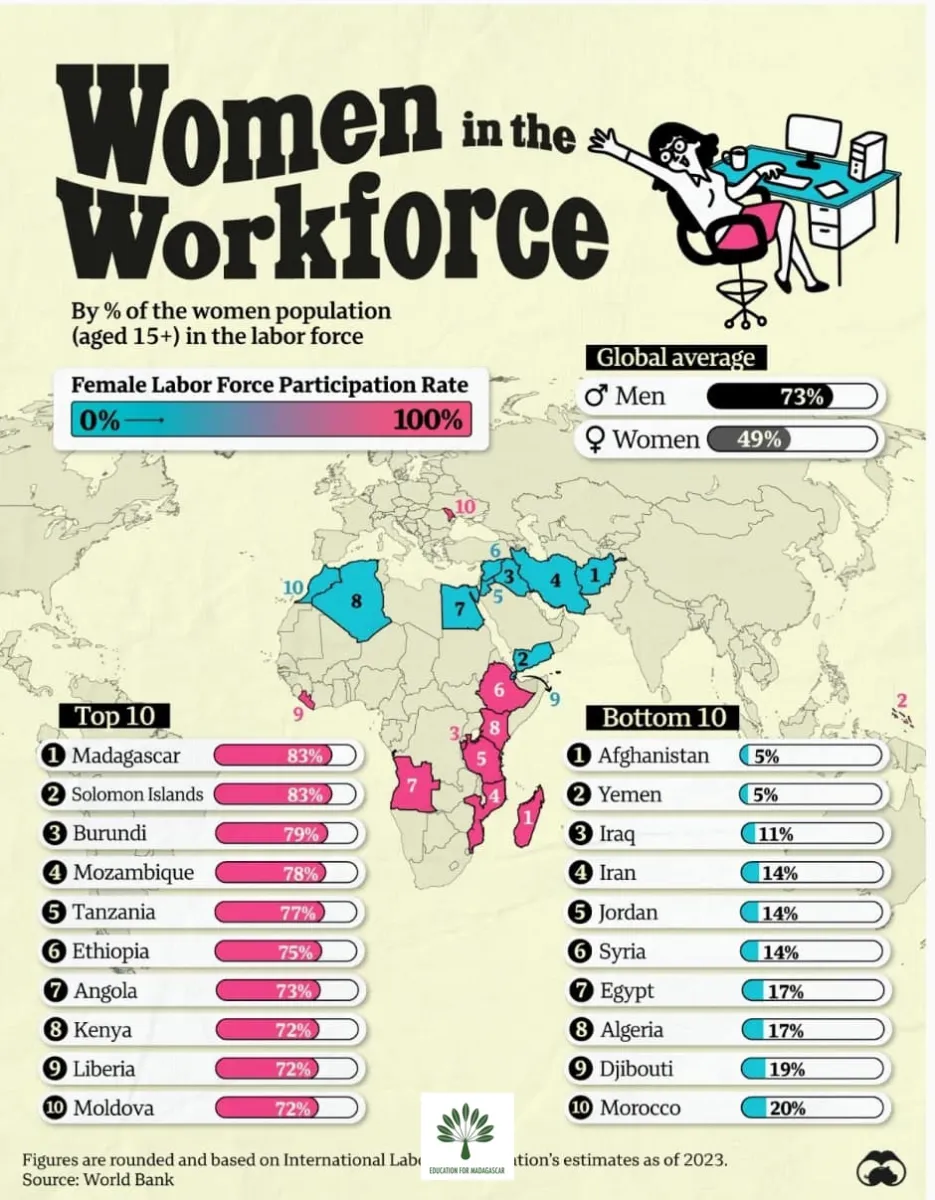
📊👩🏽🌾 Malagasy women are world champions when it comes to participation in the workforce: 83% of them participate in the labour market. Source: World Bank (link in first comment). 🏙️ In urban areas, Malagasy women rival their counterparts in Western countries. They excel in leadership and decision-making roles. 👩🏽⚖️💼 However :
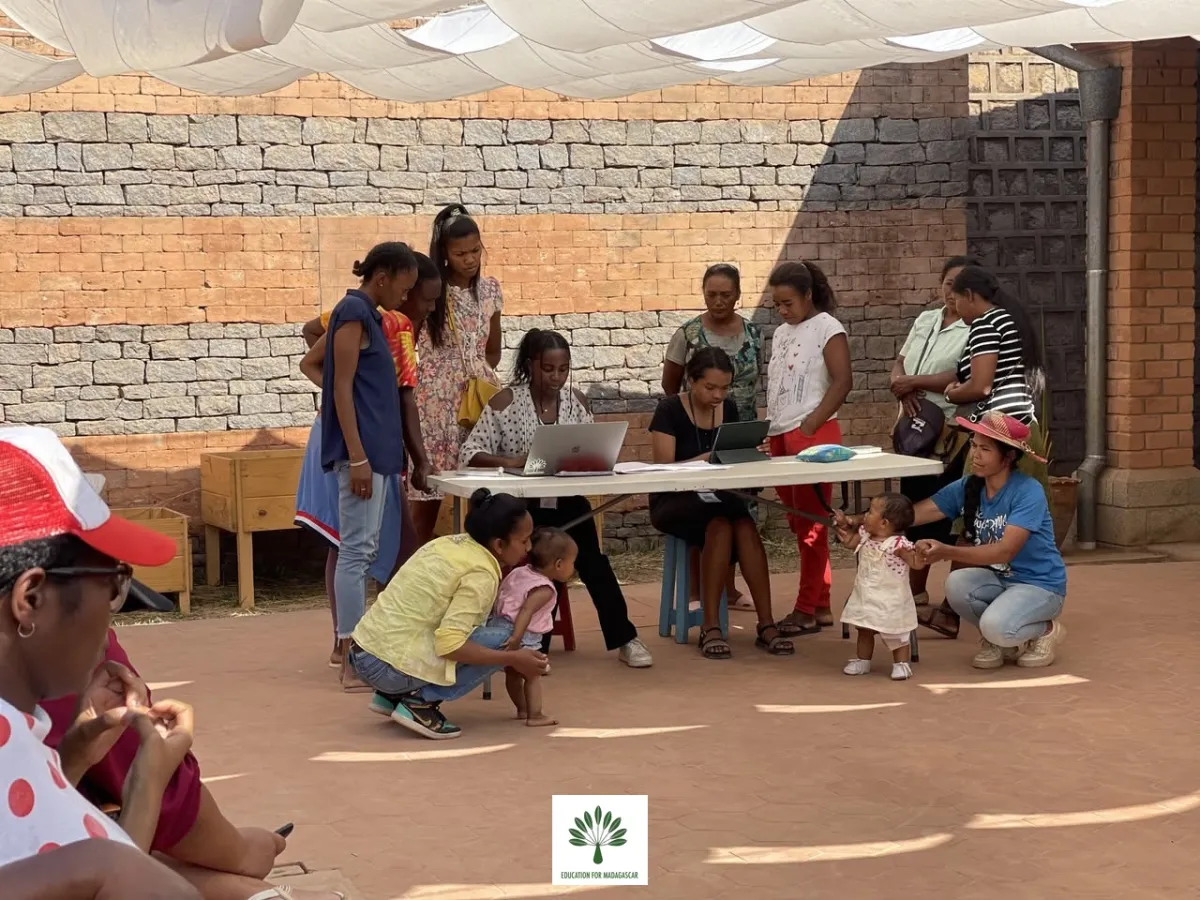
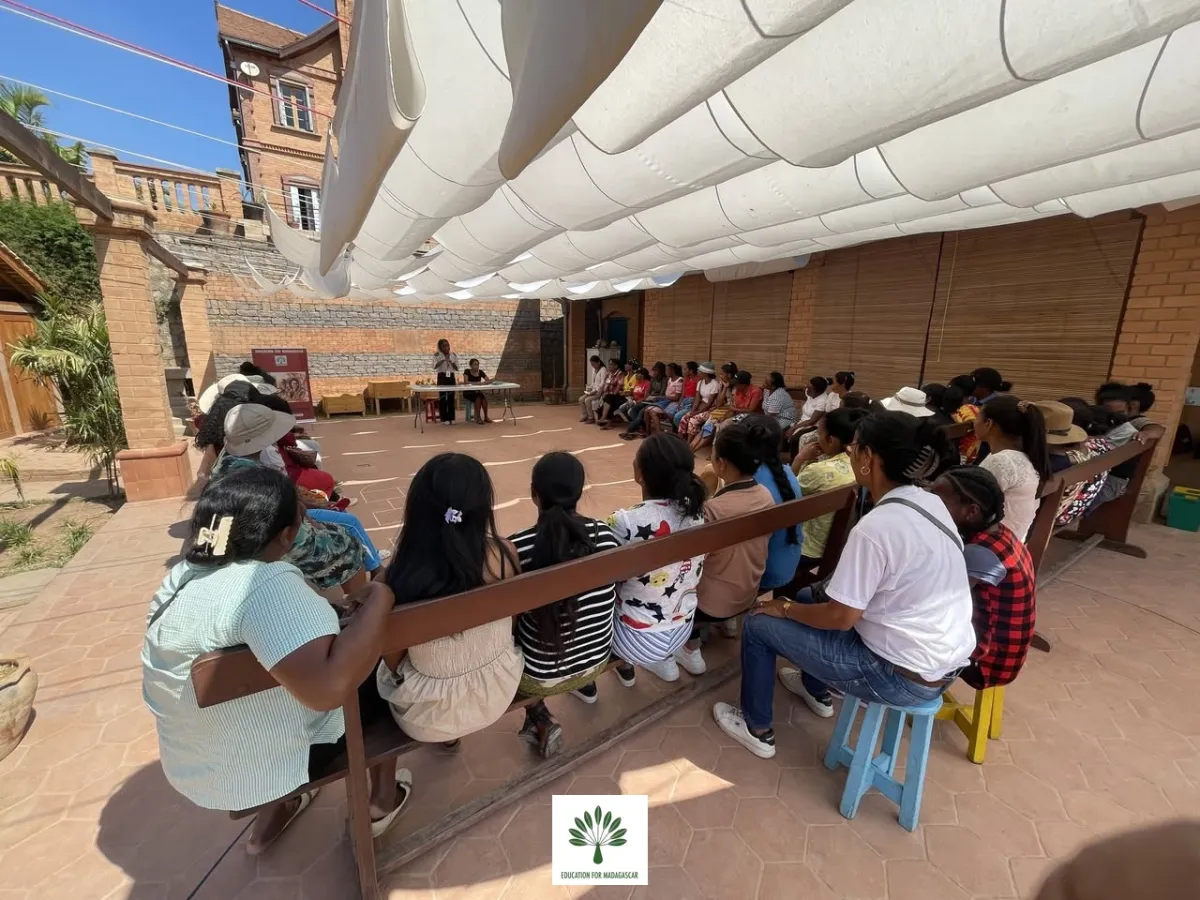
🌾 In rural areas, Malagasy women are largely concentrated in the informal sector, agriculture, and domestic work. Agriculture employs around 80% of the workforce, with women doing much of the unpaid or subsistence work. 🚜 👩🏾🌾 Women are under-represented in the formal sector. 📚 Although girls' enrolment rates at primary level are relatively high, dropouts increase sharply at secondary and tertiary level, limiting women's access to skilled and better-paid jobs. 💍 Cultural norms and early marriage are key factors in this education gap. 💸 Malagasy women earn significantly less than men for the same work. The gender pay gap is exacerbated by their over-representation in informal and low-paid jobs. 💼❌ ⚖️ Gender discrimination and sexual harassment in the workplace remain common, with often weak or inconsistent enforcement of labour laws. 🛑 Although Madagascar has laws promoting gender equality, traditional and patriarchal norms often hinder their application. 🏠 Women face legal and social barriers to accessing land ownership, credit, and other economic resources. 👉 For these reasons, we provide training and information to girls and women in the five rural villages where we operate during Women's School sessions. 📚👩🏽🏫